
- How Denver’s Climate Affects Your Engineered Hardwood Flooring
How Denver’s Climate Affects Your Engineered Hardwood Flooring
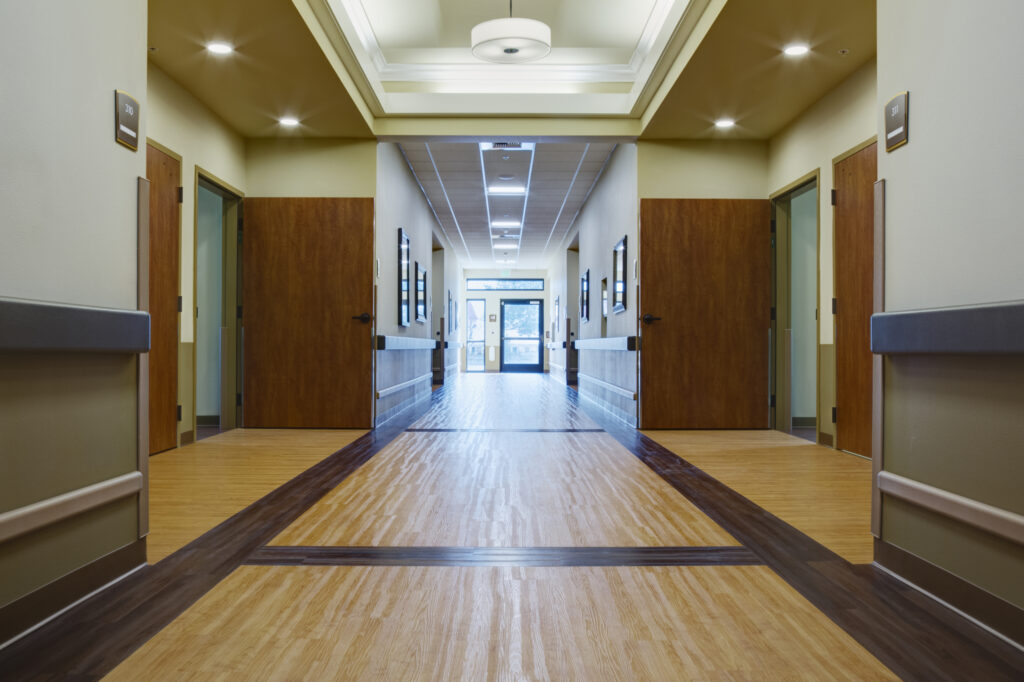
If you’re a Denver homeowner considering engineered hardwood flooring, there’s one factor you absolutely can’t ignore: the city’s unique climate. Denver’s weather is a curious mix of dry air, seasonal temperature swings, and occasional snowstorms—all of which can subtly influence how your floors look and perform over time. In this guide, we’ll break down exactly how the Mile High City’s climate can affect your engineered hardwood, and share practical tips to keep your flooring looking beautiful for years.
Understanding Engineered Hardwood in Denver Homes
Engineered hardwood is a favorite for Denver homeowners because it combines the natural beauty of solid wood with a more stable construction that handles temperature and moisture changes better than traditional hardwood. But don’t be fooled—“more stable” doesn’t mean completely immune.
Engineered hardwood consists of a thin veneer of real wood on top of a plywood or high-density fiberboard core. This layered design makes it less prone to warping and cupping than solid wood. However, Denver’s climate, with its low humidity in winter and occasional heavy rains in spring, can still create challenges.
For instance, dry air can cause minor gaps between planks, while sudden moisture increases can lead to slight expansion. Understanding these dynamics is crucial if you want your floors to stay flawless for the long haul.
How Denver’s Seasonal Changes Impact Engineered Hardwood Flooring
When thinking about engineered hardwood in Denver, you have to consider the city’s dramatic seasonal shifts. Winter brings dry air and indoor heating, while spring and summer can bring humidity spikes and temperature swings. Here’s what happens to your floors in each scenario:
Winter: Dry Air and Shrinking Planks
During Denver’s cold winter months, indoor heating often lowers humidity to 20-30%. Engineered hardwood responds by contracting slightly. You might notice small gaps forming between boards. While this is normal, excessive shrinking can be avoided by using a humidifier or maintaining consistent indoor humidity levels between 35-50%.
Summer: Expansion from Humidity
Summer rains and higher humidity can cause engineered hardwood to expand slightly. Although it’s much less reactive than solid hardwood, you might still see minor swelling at seams. Leaving small expansion gaps during installation is essential, and Denver’s local installers usually account for this naturally.
The Temperature Factor
Denver experiences some of the largest daily temperature swings in the country. Engineered hardwood responds well to these changes, but extreme fluctuations over time can stress the wood. Keeping your home at a stable temperature, particularly during seasonal transitions, helps maintain the integrity of your flooring.
Tips to Protect Your Engineered Hardwood in Denver
Now that you know how Denver’s climate affects engineered hardwood flooring, let’s talk about actionable tips to protect your investment:
Control Indoor Humidity: Use humidifiers in winter and dehumidifiers in summer. Aim for 35-50% relative humidity.
Proper Installation: Always hire a Denver-based installer who understands local climate conditions. Proper acclimation of planks before installation is key.
Protect from Sunlight: Denver gets plenty of sunshine. Use area rugs or UV-blocking window films to prevent fading.
Clean with Care: Avoid wet mopping; use a damp cloth or engineered hardwood-friendly cleaner.
Regular Maintenance: Inspect seams, check for gaps or swelling, and address issues promptly.
Following these steps can prevent most of the minor issues caused by climate while keeping your floors looking pristine.
Why Engineered Hardwood is Still Ideal for Denver Homes
Despite climate challenges, engineered hardwood remains one of the best flooring options for Denver homeowners. Its layered construction handles the city’s seasonal swings far better than solid wood. Additionally:
It offers a wide range of finishes and styles to match Denver home décor trends.
It can be installed over concrete, which is common in Denver basements.
It adds resale value while providing warmth and natural beauty to your living space.
If you’re renovating or building a home in Denver, engineered hardwood is a practical yet stylish choice—as long as you account for local climate factors.
Call to Action
Ready to choose the perfect engineered hardwood for your Denver home? Check out our guide on how to choose the right home flooring for expert tips from local store specialists. Our team can help you select durable, beautiful flooring that stands up to Denver’s unique weather—without compromising on style.
Conclusion
Understanding how Denver’s climate affects your engineered hardwood flooring is essential for homeowners who want their floors to last. Seasonal temperature swings, dry air, and occasional humidity spikes all play a role, but with the right installation, maintenance, and climate control, your floors can remain stunning for decades. Engineered hardwood is not only beautiful—it’s resilient, practical, and perfect for Denver living.